Where Attachment Deepens Into Honesty & Accountability
The Integrated Growth Approach™ helps therapists bring depth, clarity, and sustainability to their work with couples.
If you love the depth of couples work but sometimes find it draining or directionless, you’re not alone.
Many therapists are drawn to the depth of couples work and still find it draining or directionless. Despite strong training and genuine care, sessions can become circular, exhausting, and overly dependent on the therapist to create movement.
What’s often missing isn’t skill or empathy, but a clear way to orient the work: one that helps therapists stay grounded, discerning, and directional without overfunctioning.
Integrated Growth Approach™ was created to meet that need.
My work with the Integrated Growth Approach™ grew out of years spent working almost exclusively with couples and noticing a recurring gap between emotional insight and sustainable change.
Despite strong training in well-established couples therapy models, I saw how often therapists were asked to choose between emotional attunement and personal responsibility, safety and challenge, connection and self-definition. That divide isn’t inherent to the work it’s a limitation of how the models are often held.
The Integrated Growth Approach™ was developed to resolve that tension. It offers a clear, structured framework that integrates attachment-based depth with accountability and differentiation, so therapists can lead couples work with both compassion and direction.
In IGA, the work begins with restoring self-connection — helping individuals align with their values, honesty, and responsibility. From that anchored place, couples are supported in building relationships that can hold difference, truth, and real intimacy without losing the self. This sequence allows growth to happen in a way that is both relationally meaningful and clinically sustainable.

Louise Bayly, LCSW, PMH-C
(DMV, New York, Connecticut)
"Ebru is one of the most gifted and exceptional teachers, mentors, and instructors in our clinical field. This dynamic training of the Integrated Growth Approach (IGA) Model reshapes the way we conceptualize and support relational dynamics by honoring the attachment bond while also creating accountability to differentiation and self-growth. IGA has transformed my therapeutic stance from being fluid and eclectic to feeling more deliberate, confident, and connected to the work and to my clients. This is more than just a training; it’s also an experiential process and an empowering community that supports and challenges how we show up to this meaningful therapeutic space."

In just a few weeks, you'll be able to...
- Clearly understand why a couple is stuck and how to support relational change
- Work with both attachment and differentiation without privileging one at the expense of the other
- Recognize when to lead with emotional attunement and when to invite responsibility, challenge, or self-definition
- Stay grounded and directional in sessions without overfunctioning or pulling back
- Engage in a learning community with clinicians who value clarity, integrity, and thoughtful integration in couples work

Michael Mondoro, LCSW
Trauma and Trauma-Related Dissociation Specialist
Certified AEDP Therapist, Supervisor, and AEDP Institute Trainer and Presenter
(New York & Connecticut)
"Ebru is a visionary in the field of couples therapy. She has the rare ability to bring together deep emotional attunement with directness and sharp clinical insight, making her work profoundly impactful.Her Integrated Growth Approach program is a testament to her innovative thinking—seamlessly integrating attachment-based couples therapy with differentiation systems-based models to foster both connection and autonomy in relationships. Ebru has a gift for translating complex clinical concepts into a clear, accessible, and deeply transformative framework.
Beyond her intellectual and clinical brilliance, she brings warmth, clarity, and an unwavering respect for the human experience. Whether as a clinician, client, or collaborator, anyone who has the opportunity to work with Ebru will find themselves challenged, supported, and profoundly enriched by her expertise."
A Masterclass in Attachment & Differentiation for Relational Therapy

Clinical Clarity for Complex Couples Work
This training includes 6 focused, pre-recorded modules and 4 live meetings designed to support learning and application through case consultation and experiential practices.
Together, the course provides a clear clinical framework that supports you in:
-
Tracking couples’ relational patterns while also attending to individual capacity and responsibility
-
Conceptualizing cases through both attachment and differentiation lenses in a cohesive, organized way
-
Using intake paperwork as part of the assessment process rather than an administrative task
-
Establishing a structured assessment phase that supports discernment and prevents therapist overfunctioning
-
Working from both attachment and differentiation perspectives in moment-to-moment clinical work and across the arc of treatment
Designed for Therapists Seeking Clarity & Direction in Couples Work
This training is designed for therapists and coaches who work with couples and want greater clarity about how change happens in the room.
It is especially well-suited for clinicians who have strong training in one or more models and are seeking a cohesive way to work with emotional depth while maintaining responsibility, structure, and direction.
Most participants work primarily with couples. Some don't. Clinicians who see individuals have taken this training and used it directly, because what sits underneath the couples work is how people organize themselves under relational pressure and how a therapist stays grounded and directional when it gets charged.
Rather than offering more techniques, the Integrated Growth Approach™ focuses on therapist stance, discernment, and a clear theory of change so the work can be both effective and sustainable over time.

Lesley Alderman, LCSW
(New York)
"I loved this training! The information was clear, informative and concise. I have done a dozen couples therapy trainings, and this one was the one I got the most from. This is an integrative model, one that combines the most useful ideas from attachment and differentiation and provides a simple roadmap to follow. There was no dogma, like 'you must do it this way,' --which is both annoying and unrealistic. I feel more confident in my approach and now have a framework I can refer to when I feel lost. Ebru's modules were informative and the handouts made the material visually understandable. Highly recommend!"
What's Included In
The Integrated Growth Approach Masterclass

MODULE 1
Objectives & Considerations
Orient to the purpose and scope of the training, and establish key foundations for couples work
- Clarify the objectives of IGA
- Examine socio-cultural & its impact
- Strengthen self-of-therapist awareness & regulation
- Identify the limits of couples therapy

MODULE 2
The Integrated Growth Approach
Ground into the core principles, theory of change, and structure of IGA
- Understand attachment and differentiation as the theoretical roots of IGA and what each contributes clinically
- Ground into IGA's theory of change and how growth is organized
- Define the Conditioned Self and Anchored Self and the arc of movement between them
- Clarify the therapist's stance and how it evolves across phases of work
- Learn the 4 phases of IGA & how they provide clinical direction

MODULE 3
Questionnaire & Case Conceptualization
Use assessment material to orient the work before the first session
- Review the anatomy of a strong questionnaire
- Conceptualize your cases through attachment & differentiation lenses
- Work through 3 case examples to clarify early hypotheses and direction
- Establish a working vision for how attachment & differentiation will be leveraged in sessions

MODULE 4
Phase 1: Assessment Sessions
Lay a clear foundation for the work through a structured assessment phase
- Learn the structure & focus of early assessment sessions
- Clarify assessment objectives that support long-term change
- Support client mobilization toward individual responsibility & shared goals
- Establish collaboration & direction without overfunctioning

MODULE 5
Phase 2: Processing Turning Insight Into Action
Translate understanding into practice at key moments in the work
- Track the couple's conditioned loop and identify inflection points in real time
- Assemble each partner's internal experience across narrative, affective, and somatic layers
- Use attachment-based clinical skills to organize and stabilize before inviting change
- Connect partners back to their anchored-self goals and facilitate anchored shares
- Recognize and work with the Relational Impact & Integration moment as IGA's corrective experience

MODULE 6
Phases 3- 4: Growth Process & Consolidation from Practice to Lasting Change
Support integration, autonomy, and continuation beyond therapy
- Introduce and facilitate the Collaborative Dialogue process as the organizing container for Phase 3
- Know when attachment leads and when differentiation leads — and how to move between them fluidly
- Work with collapse interventions: Attunement and Organization, Inner Conflict Work, and Owning the Projection
- Recognize when and why to shift between processing and differentiation modes
- Facilitate consolidation — helping couples own their growth and practice autonomy beyond therapy

6 Continuing Ed Credit Hours included upon successful completion of a short online assessment
Westport Couples Counseling, LLC has been approved by NBCC as an Approved Continuing Education Provider, ACEP No. 8024. Programs that do not qualify for NBCC credit are clearly identified. Westport Couples Counseling, LLC is solely responsible for all aspects of the programs. Integrated Growth Approach™ trainings are developed and delivered by Westport Couples Counseling, LLC.
NICE TO MEET YOU
I'm Ebru Halper,
I’m a licensed psychotherapist, educator, and founder of the Integrated Growth Approach™ (IGA), a framework designed to bring clarity and direction to couples therapy especially when the work feels emotionally rich but clinically stuck.
I run a private practice in Connecticut and New York and consult with therapists across the country. Much of my work centers on helping clinicians move beyond insight alone and develop a clear orientation to how growth actually happens in couples work.
IGA emerged from years of practicing and teaching attachment-based therapy (I'm certified in EFT) while feeling the strain of overfunctioning—working harder than my clients, holding too much responsibility for change, and watching couples repeat familiar patterns despite deep emotional work. Integrating principles from differentiation-based models clarified something essential: empathy without structure is not enough, and challenge without safety doesn’t hold.
The Integrated Growth Approach™ is not a blend of models, but a cohesive framework that helps therapists stay grounded, discerning, and directional. It emphasizes therapist stance, responsibility without control, and a clear theory of change so couples can practice growth under real emotional pressure, and therapists can do this work sustainably.
Through IGA, I support therapists and coaches in leading couples work with greater clarity, integrity, and confidence—without losing depth, compassion, or themselves in the process.

Explore clinical notes and learnings from IGA consultation meetings

What makes IGA distinct
Most couples therapy trainings offer concepts, techniques, or model-specific interventions. Fewer help therapists develop judgment, the ability to decide what matters most in complex, emotionally charged moments.
Rather than staying at the level of theory, the training focuses on clinical application. It helps you recognize when to lead with attunement, when to invite challenge or self-definition, and how to stay grounded and clear without carrying the emotional burden of the work.
The course is structured as a combination of focused, pre-recorded modules and live meetings, allowing time for reflection, integration, and application to real cases. This pacing supports deeper assimilation of the framework rather than quick consumption of ideas.
This training is designed for clinicians who value clarity, discernment, and responsibility and who want a structured way to lead couples work that is both effective and sustainable.
See this in practice — free demoJoin the Waitlist for Winter 2027 Cohort
How long is the training?
What if I miss the live meetings?
Will I be able to consult on my cases?
What if I'm fairly new to couples therapy/coaching?
I have lots of experience working with couples - how will this training benefit me?
I work mostly with individuals. Is this training still for me?
Is IGA an evidence-based model?
What happens after the training is completed?
Can I obtain CE's for this training?
Can I have extra support on my cases?
How do I contact you directly?
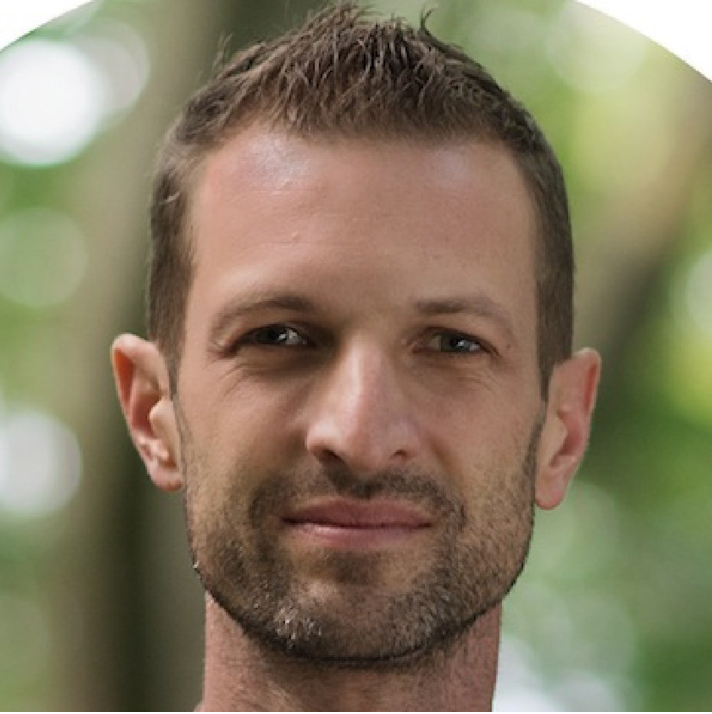
Manuel Harand
(Vienna, Austria)
"This is truly one of the best masterclasses I have ever taken. Ebru is such a warm-hearted, inspiring and knowledgeable teacher who made the training both a place of comfort and growth from start to finish. It gave me a whole new framework to integrate attachment & differentiation - an endeavor I instinctively tried to resolve ever since, but was lacking the roadmap to do so. This training really gave me the confidence and agency to work with couples the way it feels most organic to me - and it also leaves me with a place I can return to when ever I need support for the years to come. I am so grateful Ebru, for your sincere work that comes straight from your heart - spiced up with a very clever mind"
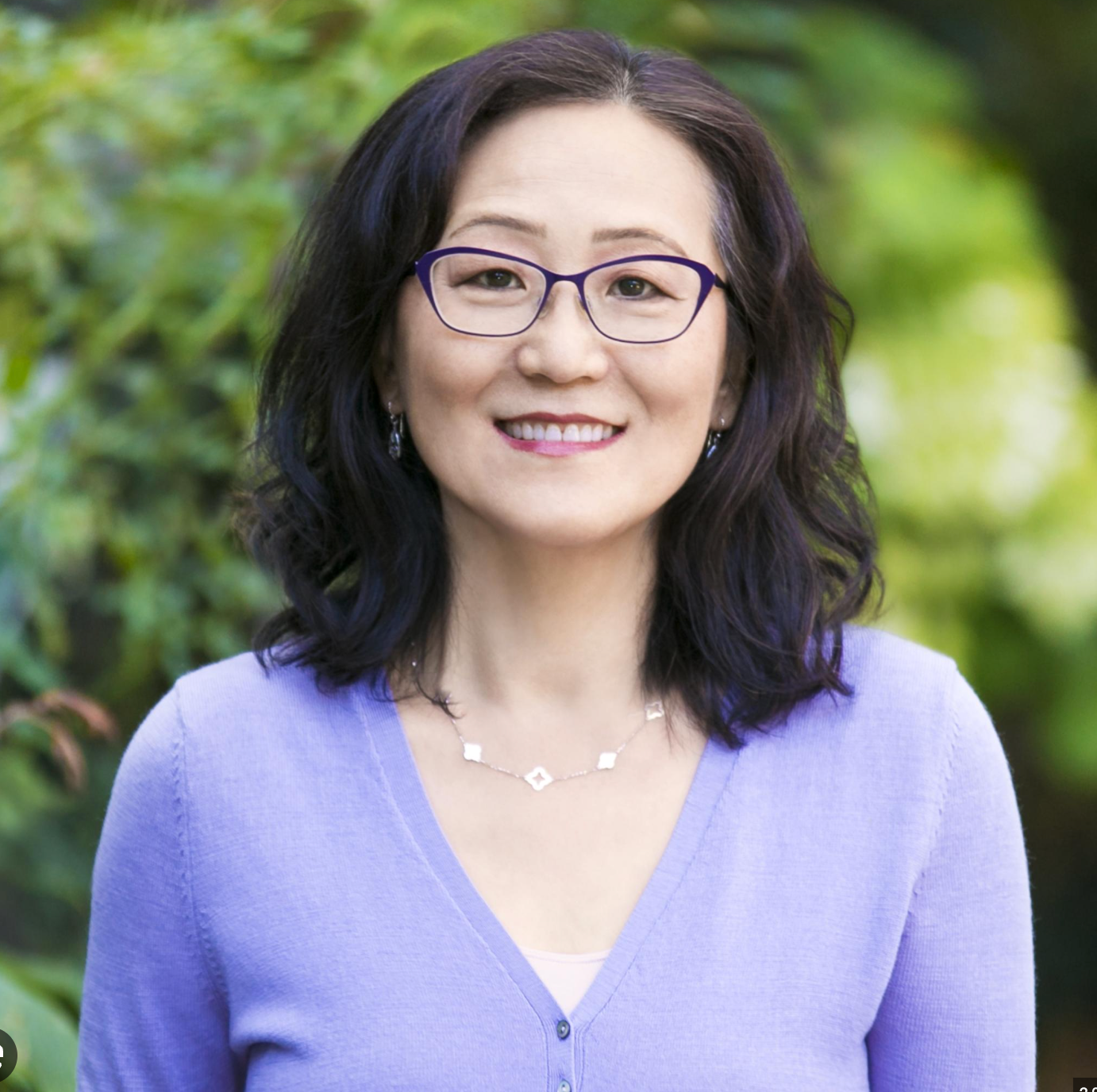
Mi Seon Kang, LCAT, ATR-BC
(New York)
"Although working with couples is deeply rewarding, at times felt burned out—working harder than my clients and feeling frustrated when they weren’t taking enough responsibility for improving their relationship. Through Ebru’s Integrated Growth Approach training, I realized that what was missing was a strong framework for accountability. I learned how to guide each partner in taking ownership of their personal growth while also collaborating openly toward shared goals and a meaningful vision for their relationship. This shift has made me feel more confident, energized, and effective in my work with couples."
Cheryl Pearlman, LCSW
(New York)
"As an experienced EFT therapist I found the IGA course to both deepen my work with couples and build my confidence. Being introduced to Differentiation Theory and its application was particularly helpful. The pre-recorded modules and live meetings were very stimulating. I definitely have grown in my work and feel more skilled. I highly recommend this course."